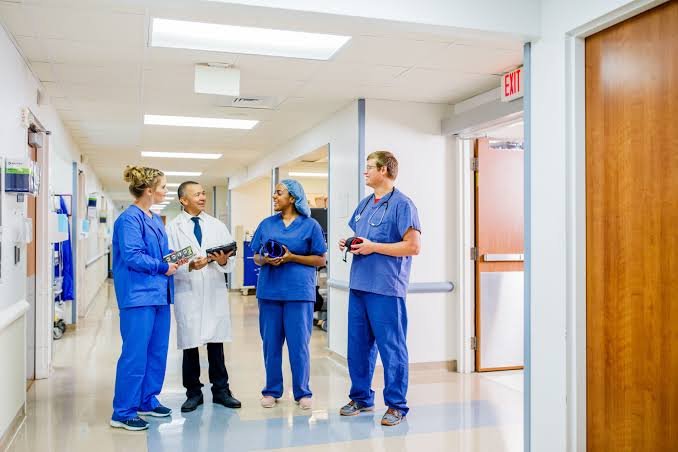
The healthcare sector in the Greater Toronto Area (GTA) continues to grow, creating strong demand for skilled administrative professionals who support the daily operations of clinics, hospitals, medical offices, and other healthcare facilities. Medical Office Assistant Program (MOAs) play a critical role in patient care by managing appointments, maintaining medical records, coordinating communication, and ensuring healthcare offices operate efficiently.
For individuals seeking a rewarding healthcare career without spending several years in school, enrolling in a Medical Office Assistant (MOA) program at a career college can be an excellent option. However, with numerous career colleges across Toronto, Mississauga, Brampton, Vaughan, Markham, and surrounding GTA cities, choosing the right program can be challenging.
Rather than focusing solely on rankings, it’s more valuable to evaluate colleges based on curriculum quality, hands-on training, instructor experience, career services, and graduate outcomes. This guide explains what makes a Medical Office Assistant program stand out and how to identify the best career college in the GTA for your educational and career goals.
Why Choose a Medical Office Assistant Career?

Medical Office Assistants serve as the administrative backbone of healthcare facilities. They help physicians, nurses, specialists, and patients by ensuring medical offices operate smoothly and efficiently.
Their daily responsibilities may include:
- Scheduling appointments
- Greeting patients
- Managing electronic medical records (EMRs)
- Answering phone calls
- Coordinating referrals
- Processing medical billing
- Preparing documentation
- Maintaining patient confidentiality
Because every healthcare organization requires administrative support, qualified Medical Office Assistants remain in demand across the GTA.
Why Study in the Greater Toronto Area (GTA)?
The GTA is home to one of Canada’s largest healthcare networks, including:
- Hospitals
- Family medicine clinics
- Walk-in clinics
- Diagnostic laboratories
- Specialist practices
- Rehabilitation centres
- Community health organizations
- Long-term care facilities
Studying in this region provides students with access to diverse learning opportunities, industry connections, and potential clinical placements close to major healthcare employers.
What Makes a Great Medical Office Assistant Program?
Not every program offers the same level of training. The best Medical Office Assistant programs focus on practical skills that prepare graduates for today’s healthcare workplaces.
Look for programs that include the following:
Comprehensive Medical Terminology
Medical terminology forms the foundation of healthcare administration.
Students should learn:
- Anatomy
- Physiology basics
- Medical abbreviations
- Diagnostic terminology
- Pharmacology terminology
- Laboratory terminology
Strong medical vocabulary improves communication and documentation accuracy.
Electronic Medical Records (EMR) Training
Modern healthcare relies heavily on digital record systems.
A quality program should provide practical training in:
- Patient registration
- Appointment scheduling
- Medical documentation
- Digital chart management
- Confidential data handling
Hands-on EMR experience makes graduates more job-ready.
Medical Billing and Office Procedures
Employers value graduates who understand healthcare administration.
Programs should include instruction in:
- Appointment coordination
- Medical billing processes
- Insurance documentation
- Office workflow
- Reception procedures
- Telephone communication
Administrative efficiency is essential in busy medical environments.
Healthcare Privacy and Ethics
Medical Office Assistants handle confidential patient information every day.
Students should develop a strong understanding of:
- Patient privacy
- Professional ethics
- Confidentiality
- Record security
- Workplace professionalism
These topics are essential for maintaining trust within healthcare settings.
Communication Skills
Successful Medical Office Assistants communicate effectively with:
- Patients
- Physicians
- Nurses
- Specialists
- Laboratories
- Insurance providers
Programs should emphasize:
- Customer service
- Professional communication
- Conflict resolution
- Empathy
- Teamwork
Strong interpersonal skills improve patient experiences.
The Importance of Practical Training
One of the biggest differences between career colleges is the amount of hands-on experience they provide.
Programs that include laboratory practice, simulated medical offices, or clinical placements allow students to apply classroom knowledge in realistic healthcare environments.
Practical experience helps students:
- Build confidence
- Improve technical skills
- Understand workplace expectations
- Develop professional communication
- Strengthen their resumes
Many employers prefer graduates with real-world training experience.
Factors to Consider When Comparing Career Colleges
Choosing the best Medical Office Assistant program requires looking beyond tuition costs.
Consider the following factors before enrolling.
Industry-Relevant Curriculum
Ensure the program reflects current healthcare practices and technologies.
Experienced Instructors
Faculty members with healthcare industry experience can provide practical insights beyond textbooks.
Career Services
Strong colleges often provide:
- Resume writing assistance
- Interview preparation
- Job search guidance
- Employer networking opportunities
Career support can make the transition into employment smoother.
Flexible Learning Options
Many colleges offer:
- Full-time programs
- Part-time classes
- Evening schedules
- Hybrid learning
- Online theory with in-person labs
Flexible scheduling benefits working professionals and adult learners.
Student Support
Look for institutions offering:
- Academic advising
- Tutoring
- Career counselling
- Technical support
- Student success services
Support services contribute to a better learning experience.
Skills Employers Look For
Healthcare employers seek candidates with both technical knowledge and professional qualities.
Desired skills include:
- Organization
- Time management
- Computer literacy
- Accuracy
- Professionalism
- Communication
- Confidentiality
- Multitasking
- Problem-solving
- Customer service
A well-rounded Medical Office Assistant program develops these competencies through both theory and practical exercises.
Career Opportunities After Graduation
Medical Office Assistant graduates can pursue positions in a variety of healthcare settings.
Potential employers include:
Hospitals
Support outpatient clinics, specialty departments, admissions, and administrative offices.
Family Physician Clinics
Coordinate appointments, maintain records, and assist with daily office operations.
Walk-In Clinics
Provide front-desk administration and patient scheduling.
Specialist Offices
Work alongside cardiologists, dermatologists, orthopedic surgeons, pediatricians, ophthalmologists, and other specialists.
Diagnostic Centres
Manage patient bookings, documentation, and communication.
Rehabilitation Clinics
Support therapists and rehabilitation teams with administrative responsibilities.
Long-Term Care Facilities
Assist with admissions, resident documentation, scheduling, and communication with families.
Questions to Ask Before Enrolling
Before selecting a career college, ask:
- Does the program include practical training?
- Are students trained on Electronic Medical Records (EMR)?
- What subjects are covered?
- What qualifications do instructors have?
- Is career assistance available?
- What are the graduation requirements?
- What learning resources are provided?
- What schedule options are available?
Asking these questions helps you compare programs more effectively.
How to Identify the Best Career College
Instead of relying solely on advertising claims or rankings, evaluate each college based on objective factors such as:
- Curriculum quality
- Hands-on learning opportunities
- Experienced instructors
- Student support services
- Career guidance
- Graduate outcomes
- Learning flexibility
- Industry relevance
The best college is one that aligns with your career goals, learning style, and scheduling needs while preparing you for real-world healthcare environments.
Future Outlook for Medical Office Assistant Program
Healthcare continues to evolve through technological advancements and increased demand for patient-centered care.
Medical Office Assistants are expected to become even more valuable as healthcare organizations expand their use of:
- Electronic Medical Records
- Digital scheduling systems
- Virtual healthcare appointments
- Integrated healthcare technologies
- Coordinated patient care models
Graduates with strong administrative and technical skills will remain competitive in the healthcare job market.
Final Thoughts
Choosing the right Medical Office Assistant program is one of the most important decisions you’ll make when beginning a healthcare career. Rather than searching for a single “best” career college in the GTA, focus on finding a program that offers comprehensive training, practical experience, experienced instructors, and strong student support.
A high-quality Medical Office Assistant program should prepare you not only to understand medical terminology and office procedures but also to confidently work with electronic medical records, communicate professionally with patients, and contribute to efficient healthcare delivery.
With the GTA’s expanding healthcare sector and diverse employment opportunities, graduates who complete a well-designed program can build rewarding careers in hospitals, clinics, diagnostic centres, specialist practices, and many other healthcare settings. By carefully comparing colleges based on curriculum, hands-on training, and career services, you’ll be well positioned to launch a successful future as a Medical Office Assistant.
FAQs
1. What should I look for in a Medical Office Assistant program in the GTA?
Look for a program that offers comprehensive medical terminology, electronic medical records (EMR) training, medical billing, healthcare administration, practical experience, experienced instructors, and career support services.
2. How long does a Medical Office Assistant program usually take?
Many career colleges offer Medical Office Assistant programs that can be completed in approximately 8 to 12 months, depending on the institution and whether you study full-time or part-time.
3. Is practical training important in a Medical Office Assistant program?
Yes. Practical training, including simulated medical office environments or clinical placements, helps students apply classroom knowledge, develop confidence, and gain experience that employers value.
4. Where can Medical Office Assistant graduates work after completing their program?
Graduates may find opportunities in hospitals, family physician clinics, walk-in clinics, specialist offices, diagnostic laboratories, rehabilitation centres, community health organizations, and long-term care facilities.
5. Is becoming a Medical Office Assistant a good career choice in the GTA?
Yes. The Greater Toronto Area has a large and growing healthcare sector, creating ongoing demand for skilled Medical Office Assistants who can support healthcare providers through efficient administrative and patient service functions.